Where to Find Traditional Jamaican Food in Denver
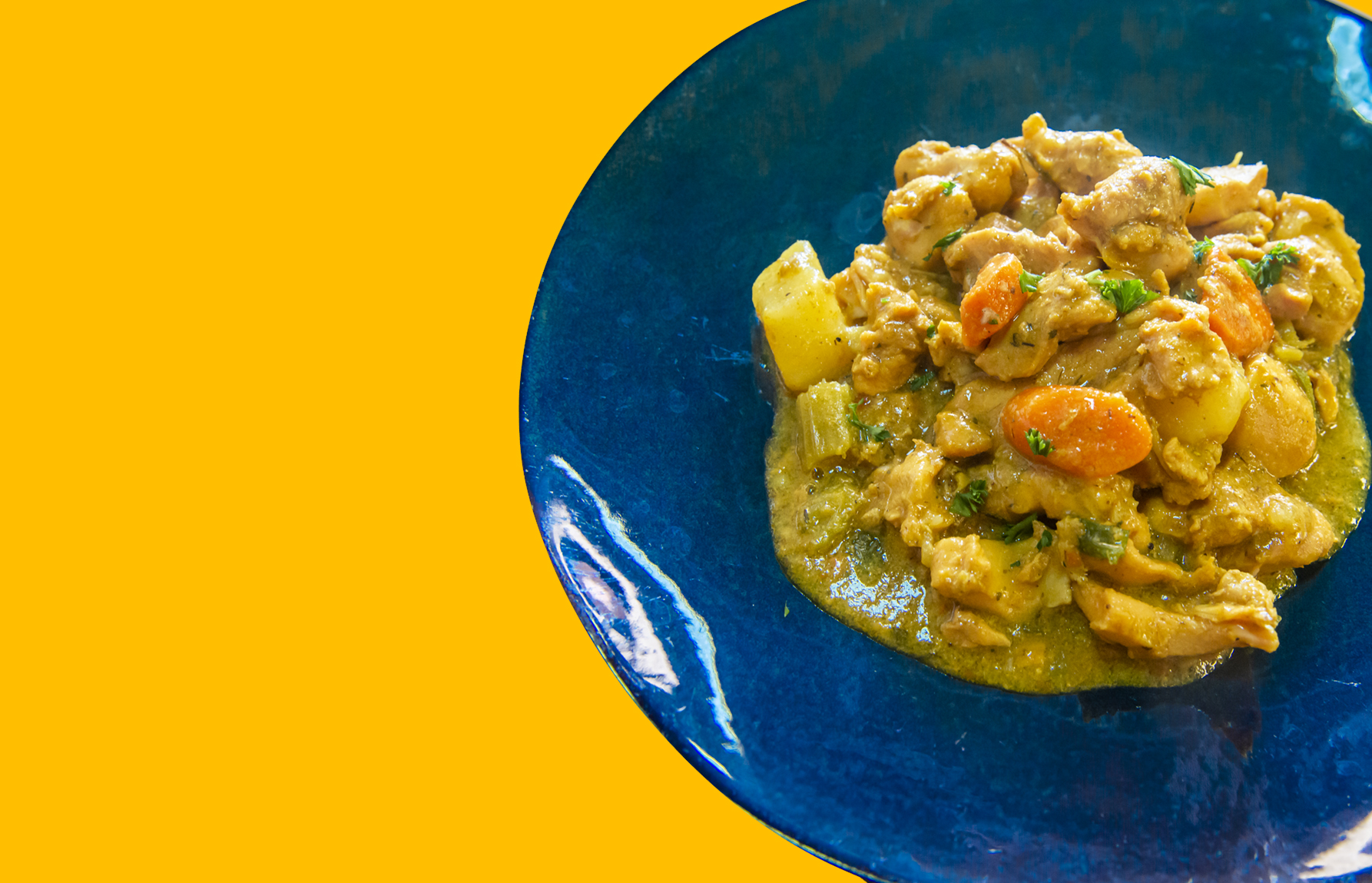
Finding truly satisfying Jamaican food in Denver takes a little more intention than finding tacos, ramen, or green chile. The city’s Caribbean food scene is real, but it is smaller, more fluid, and often more dependent on family-run kitchens, weekend specials, food trucks, and pop-up service than people expect when they first start searching for jamaican food denver.
That is not a drawback. In practice, it often means the best plate of jerk chicken or oxtail is coming from a cook who cares deeply about seasoning, timing, and texture, not from a place designed around trend-driven branding. It also means you have to know what to look for. A restaurant may call itself Caribbean but lean heavily toward generalized island fare. Another spot may have a broad menu, yet the Jamaican dishes are where the kitchen clearly shines. And some of the most memorable meals are sold only on certain days, from a truck parked outside a brewery, or through catering menus that become neighborhood favorites by word of mouth.
If your goal is traditional Jamaican food rather than a loosely tropical interpretation, Denver rewards curiosity. The best approach is to search by format, by dish, and by neighborhood patterns instead of expecting one single corridor packed with island https://josuegect434.clarionvale.com/posts/best-jamaican-food-in-denver-for-groups-and-gatherings restaurants.
What “traditional” should mean on the plate
Before talking about where to go, it helps to define what you are actually trying to find. Jamaican food is often flattened into a few familiar labels, usually jerk and patties, but a traditional menu carries a broader identity. You should expect deep seasoning, slow cooking where it matters, and side dishes that are not treated as filler.
A good Jamaican plate has balance. Heat matters, but so do allspice, thyme, scallion, ginger, garlic, Scotch bonnet, and the savory backbone that comes from browning, stewing, or smoking. Rice and peas should taste like they were cooked with intent, not scooped from a generic steam tray. Cabbage should bring freshness and a little sweetness. Plantains should be properly ripened and caramelized, not pale and starchy. Jerk should have a real spice rub profile, not just a sweet barbecue glaze with the word “jerk” attached.
When I size up a Jamaican kitchen, I usually pay attention to the dishes that are hardest to fake. Oxtail tells you a lot. So does curry goat. Escovitch fish reveals whether the kitchen understands acidity and texture. Even something as humble as a beef patty can show whether the operation respects flaky pastry, seasoned filling, and proper heat management.
A menu does not need twenty items to feel authentic. It needs the right few items executed with confidence.
The Denver reality: fewer permanent dining rooms, more movement
Denver’s Jamaican food scene does not always announce itself loudly. You will often find it in three forms: small independent restaurants, mobile food businesses, and crossover Caribbean kitchens with a strong Jamaican core. This matters because your search habits need to adapt.
A lot of people make the mistake of typing “jerk chicken near me” into a map app, picking the first thing with a high star rating, and assuming the result reflects the best of Jamaican cooking in the metro. That usually leads to a decent lunch, not necessarily a memorable one. Ratings can tell you whether people liked the experience. They do not always tell you whether the food was regionally grounded.
The better strategy is to think in layers. First, look at restaurants and counters that specialize in Caribbean cooking rather than broad “international” menus. Second, check whether they feature the dishes that signal actual Jamaican roots. Third, verify recent photos, social media posts, and comments, because hours, locations, and menu availability can shift fast in this category.
Denver is also the kind of market where a food truck can outperform a sit-down restaurant on pure flavor. Rent is high, labor is expensive, and niche cuisines often survive by staying nimble. If you are serious about finding the best jamaican food denver has to offer, flexibility is not optional.
Where your search is most likely to pay off
The strongest results usually come from looking beyond the central business district and the most tourist-heavy blocks. Traditional food businesses often do better in neighborhoods where rent is more manageable and repeat local customers matter more than foot traffic from visitors.
In the Denver metro, that means broadening the map. Aurora is often worth checking because its food culture supports immigrant-owned restaurants with specific regional identities. Parts of east Denver can also produce better leads than trend-focused areas closer to downtown. Depending on what is active at a given moment, you may also find worthwhile options in suburban corridors where catering kitchens, takeout counters, and trucks can build a loyal following without needing a polished flagship dining room.
This is one of those cuisines where a plain storefront should not scare you off. Some of the best Caribbean meals I have had in Colorado came from places with modest decor, handwritten specials, and a dining room built more for regulars than for social media photos. If the steam table looks busy, the aroma is right, and the side dishes have clearly been made with care, you are probably in the right place.
Food halls can be hit or miss. They are useful if a Jamaican concept has a stall there, but food hall operations sometimes trim menus to fit volume and speed. That can mean fewer slow-cooked dishes and more emphasis on easy sellers. If your main objective is patties or a jerk bowl, a food hall stall can work well. If you want oxtail, goat, soup, festival, or a full Sunday-style plate, an independent kitchen usually has a better chance of delivering.
The dishes that separate a serious kitchen from a themed menu
If you are trying a place for the first time, your order matters. Some items travel better, some are easier to prepare at scale, and some reveal the kitchen’s standards within one bite.
Here are the dishes most worth seeking out:
- Jerk chicken, especially if it shows real smoke, heat, and layered spice instead of sugary sauce
- Oxtail, because tenderness, gravy, and seasoning expose the kitchen’s patience
- Curry goat, which should be deeply savory, aromatic, and soft without turning mushy
- Beef patties, where flaky pastry and well-seasoned filling matter as much as the spice level
- Rice and peas with cabbage or plantains, since the sides often tell the truth about the whole operation
If a restaurant only does one or two of these well, that can still be enough to justify a visit. What you want to avoid is a place where all the attention went into the protein name and none into the supporting details. Great Jamaican food is cumulative. The main dish, starch, vegetables, sauce, and heat level should all feel connected.
Jerk is the headline, but it should not be the whole story
Jerk dominates online searches for obvious reasons. It is the most recognizable Jamaican preparation, and in Denver it is often the first thing restaurants use to introduce people to the cuisine. That makes sense, but it can distort expectations.
Real jerk is not just “spicy chicken.” At its best, it has smoke, spice, herbs, a little sweetness, and a sharp, aromatic lift from allspice and Scotch bonnet. Texture matters too. You want caramelization, char in the right places, and meat that still holds moisture. A good jerk plate can absolutely be the star of the meal, but if that is the only Jamaican dish a restaurant handles confidently, you are looking at a narrower expression of the cuisine.
This is why I always encourage people to go one step further. If you see stew chicken, brown stew fish, curry dishes, soup specials, or escovitch preparations, that is a sign the kitchen is not simply borrowing the word “jerk” to attract search traffic. It suggests the cooks are building from a broader Jamaican tradition.
And that broader range matters in a city like Denver, where many diners are still learning the cuisine. A business willing to make goat, oxtail, callaloo, or proper sides is often cooking for people who know what those dishes should taste like. That is usually a very good sign.
Don’t overlook food trucks, catering menus, and weekend pop-ups
Some of the best Caribbean cooking in Denver never settles into a standard seven-day storefront schedule. This is especially true for Jamaican food, where family-run businesses often grow through events, catering, church gatherings, brewery appearances, and social media-driven pop-ups before they ever consider a permanent dining room.
There are practical reasons for that. Dishes like oxtail, curry goat, and soups take time. Ingredient costs fluctuate. Demand can be spiky. A truck or pop-up lets a cook control volume, preserve quality, and serve a loyal audience without overextending. For diners, that means the “best place” may not be a place at all in the traditional sense. It may be a truck whose weekly route changes, or a catering business that sells plates on Saturdays until they are gone.
This format can actually produce better food. Limited service windows often mean the batch was cooked for that day, not held across long stretches of low traffic. You do need to plan ahead, though. Follow the business online, confirm the menu, and arrive early for high-demand items. Oxtail and patties are notorious for selling out first when the operation has built a serious local following.
One detail experienced diners learn quickly: if a Jamaican pop-up has a line of people ordering multiple plates to take home, pay attention. That usually means the food is speaking for itself.
How to tell if a place is worth the drive
Not every promising online listing turns into a strong meal. Photos can be old. Menus can be simplified for delivery apps. A restaurant may be competent at one dish and average at the rest. If you are driving across town for jamaican food denver searches turned up, a little screening saves frustration.
The most reliable clues tend to be recent ones. Look for current customer photos showing the actual plates, not just polished promotional images. Read comments that mention specific dishes rather than generic praise. Check whether people talk about the sides, because nobody bothers praising cabbage or rice and peas unless they were notably good. If a place posts weekend specials or sold-out notices, that is often a sign of an engaged customer base and real kitchen output.
I also pay attention to menu language. A restaurant that lists curry goat, brown stew chicken, escovitch fish, patties, callaloo, and proper sides probably knows what lane it is in. By contrast, a menu built mostly around “island bowls,” loaded fries, wraps, and sweet bottled sauces may still be enjoyable, but it is less likely to satisfy someone looking for traditional Jamaican cooking.
Another useful test is whether the restaurant offers heat honestly. Jamaican food should not be pointlessly punishing, but it should not be timid either. If a place warns you clearly about Scotch bonnet or lets you adjust spice without flattening the flavor, that shows confidence.
What Denver diners often get wrong about Jamaican food
A lot of first-time diners approach Jamaican food as if it will map neatly onto American barbecue or fast-casual chicken concepts. That expectation can set them up to miss what makes it special.
Jamaican food is not always built around immediate gratification in the way a burger or taco is. The most satisfying dishes often rely on slow braising, marination, stew gravies, layered aromatics, and side dishes that complete the plate. If your benchmark is crispy fried food or heavily sauced barbecue, you may initially underestimate a good brown stew or curry. Give it a chance. These are dishes designed to unfold over a few bites.
There is also a tendency to underrate the starches and vegetables. In strong Jamaican cooking, rice and peas are not neutral filler. Plantains are not garnish. Cabbage is not there to add color. These components create contrast and relief, especially against richer meats and bolder seasoning. When the whole plate works, each part sharpens the others.
Finally, not every Jamaican kitchen aims for the same expression. Some cooks emphasize smoke and heat. Others lean toward comfort and gravy-rich dishes. Some serve a broader Caribbean menu because that is what the local market supports. That does not automatically make the food less authentic. It just means you should order according to the kitchen’s strengths instead of expecting every place to excel equally at every classic.
If you’re new to the cuisine, order with a little strategy
First visits go better when you build a plate that lets the kitchen show range. Instead of ordering the safest single item and leaving with an incomplete impression, mix one signature main with classic sides or add a patty if the restaurant is known for them.
A smart first order often includes jerk chicken or curry goat, rice and peas, cabbage, and plantains. If oxtail is available and you do not mind spending more, it is often the best benchmark dish on the menu. Oxtail is rarely cheap anywhere, and in a city like Denver it can be one of the pricier plates, but when it is done right, the cost tends to make sense. You are paying for time, shrinkage, and technique, not just for the ingredient itself.
If you are dining with another person, sharing helps. One jerk plate and one braised dish gives you a clearer read on the kitchen than two orders of the same thing. If patties are baked fresh or brought in from a trusted source, adding one on the side is usually worth it. They are also a useful low-commitment test if you are scouting a place before placing a larger catering order.
Where a lot of people end up finding their favorite spot
The truth about Jamaican food in Denver is that many regulars do not find their go-to place through broad restaurant guides. They find it through community recommendations, brewery pop-up calendars, neighborhood groups, office catering lunches, and repeat sightings of the same food truck at local events.
That pattern makes sense. Small operators often do not have the marketing budget or the polished digital footprint that trendier restaurants have. What they do have is loyal repeat business. One excellent plate passed around at work can create ten future customers. One church event or summer market can introduce a truck to an entirely new part of the metro. One well-executed pan of oxtail can make a weekend special sell out for months.
If you care about food more than hype, this is actually good news. The barrier is not exclusivity. It is just attention. Once you start following the right businesses, checking their schedules, and learning which dishes locals reorder without hesitation, the search gets much easier.
The best way to keep your search practical
A few habits make the hunt much smoother:
- Check recent social posts or call ahead, especially for oxtail, patties, and weekend specials
- Be willing to drive beyond downtown and high-traffic dining districts
- Order at least one side you can judge, not just a main protein
- Try trucks and pop-ups, not only permanent restaurants
- Return for a second dish before deciding a kitchen is average or exceptional
That last point matters more than people think. Some restaurants build their reputation on one item, while others are more balanced across the menu. A place with excellent curry goat may serve merely decent jerk, or vice versa. If the first meal showed promise, a second visit is often the fairest test.
Denver is still a city where effort gets rewarded
The local Jamaican scene is not huge, but it is far from empty. You can find deeply satisfying food here if you search with realistic expectations and a little patience. Expect a mix of formats. Expect some menu variation. Expect to verify hours and specialties before you go. Most of all, expect the strongest meals to come from operators who take the cooking seriously, whether they are serving from a small dining room, a truck window, or a weekend pop-up table.
For anyone searching specifically for jamaican food denver can absolutely deliver, just not always in the most obvious way. Look for kitchens that respect the full plate, not only the headline protein. Follow the businesses that cook with consistency. Trust the places where regulars buy extra to take home. That is usually where the real thing is hiding, and once you find it, Denver starts to feel a lot smaller.
Reggae Pot Jamaican Grill
Address: 2243 S Monaco St Pkwy #104, Denver, CO 80222
Phone number: +17204102956
FAQ About Jamaican Food Denver
What is typical Jamaican food?
Typical Jamaican food features bold, vibrant flavors created by blending African, Taino, European, and Asian influences.
What is a famous Jamaican dish?
Ackee and saltfish is Jamaica's national dish, made by sautéing the soft local ackee fruit with salted cod, onions, tomatoes, and spicy Scotch bonnet peppers.
What food is most popular in Jamaica?
The most popular and famous food in Jamaica is Jerk Chicken, celebrated worldwide for its smoky, spicy flavor.